SCHOOL COUNCIL ELECTIONS – JANUARY 2017 – KUNSILLI SKOLASTICI – JANNAR 2017

SCHOOL COUNCILS

Your Participation Matters

School Council elections in all State School will be held in January 2017. The results of these elections will determine the composition of the School Council for the period between January 2017 and December 2018.

School Councils at the Primary and Secondary Level are made up of a President, the Head of School, three parents and three members of the teaching staff. Both parents and members of the teaching staff are elected, the former by parents/guardians of students and the latter by the school’s teaching grades, KGAs and LSAs

The role of these Councils is not limited to fund raising and similar activities.

School Councils are entitled to:

  • administer the funds and assets of the school.
  • discuss the school environment and the school amenities and propose ways to ameliorate them.
  • discuss the curriculum and the educational services offered by the school and make suggestions to the Directorate of Education regarding changes or additions to the
  • Alert the Minister of Education, or any official nominated by him, to shortcomings existing in the school or other matters related to the school
  • discuss and monitor any environmental problems
  • discuss any problems related to students’ well-being

Parents are encouraged to use their right of contesting and to vote in the forthcoming School Council elections

As Parents your participation matters

Important Dates:

9th January 2017:      Opening of Nominations

18th January 2017:    Closure of Nominations

31st January 2017:    Voting day (you can also send your vote through the post or

    with your son/daughter)

SCHOOL COUNCIL ELECTIONS 2017-2018

School Council Elections are being held as on Tuesday, 31st January 2017 in all State Schools in Malta and Gozo.

The School Council is made up of:

  • A President nominated by the Minister for Education and Employment
  • A Secretary / Treasurer who is the Head of School
  • Three representatives elected by and from the Teaching Staff
  • Three representatives elected by and from the Parents/Guardians whose children attend the particular School

(In the case of post-16 students the three members are elected by and from the students)

School Councils are regulated by the 1988 Education Act  and  School Councils Regulations of 1993 as amended in 2007.

School Councils are an important forum where teachers and parents work together for the benefit of the children and the school.

While the School Council is not responsible, and should not interfere, in the teaching and maintenance of discipline in school, it has the faculty of

  • Administrating the funds and assets of the School
  • Discussing the school environment and the school amenities and propose ways to ameliorate them.
  • discussing the curriculum and the educational services offered by the school and make suggestions to the Department of Education regarding changes or additions to the curriculum.
  • discussing and monitoring any environmental, transport and other problems
  • organising fund raising activities as well as educational and cultural activities both for students and parents.

General Information

School Council Election are being held on Tuesday, 31st January 2017

Nominations

  1. Nominations for these Councils open  on the 9th January 2017 and close on the 18th January 2017 at 1.00pm
  2. Nomination forms can be picked from the school where the student attends. One  can also apply for nomination through the Ministry of Education and Employment website.
  3. Parents and guardians of students can stand for election and vote for the School Council at the school where their children attend.
  4. Only one member from each family can participate as a candidate for the same school.
  5. Parents can contest the elections for one or more Schools Council as long as their children attend those schools.
  6. In the case of Resource Centres, only parents whose children are registered as full time students can participate in the elections, both as candidates as well as voters.
  7. Parents of students in the last year of school can be nominated for the elections. Once their children finish school, it is up to them to decide whether or not to continue their term.
  8. Parents who are also teachers can be nominated both as Teacher Representatives as well as Parent Representatives on the same Council but if they are elected for both posts they have to choose one of them. Teachers whose children attend a different school from where they teach can be Teacher Representatives in their school and Parent Representatives in their children’s school.

Voting


  1. Every parent/guardian is entitled to a Voting Document.
  2. The voting document is to be sent with the student or by post.

11.The election process for the School Councils is known as ‘first past the post’ whereby voters are asked to mark their preferences by not more than three ‘X’s’

  1. The Voting Document is to be sent to the school either by post or in a sealed envelope by child mail. Votes that are received at school after the 31st January 2017 will be considered as  invalid. Parents can opt to cast their vote on the31st  January 2017 at the school indicated (during school hours). In that case they have to present the Voting Document  sent to them. Any person without this Document will not be permitted to vote. 

——————————————————————————————————————–

Kunsilli Skolastiċi

 Is-Sehem Tiegħek Jagħmel Differenza

Fil-31ta’ Jannar 2017 ser isiru l-elezzjonijiet għall-Kunsilli Skolastiċi fl-Iskejjel tal-Istat. F’dawn l-elezzjonijiet jiġu eletti l-membri tal-Kunsilli Skolastiċi għas-sentejn li ġejjin (Jannar 2017- Diċembru 2018).

Il-Kunsilli  Skolastiċi fl-iskejjel Primarji u Sekondarji huma magħmula minn President, il-Kap tal-Iskola, tliet ġenituri  – eletti mill-ġenituri, u tliet għalliema  – eletti mill-istaff akkademiku tal-iskola, KGAs u LSAs.

Il-ħidma tal-Kunsill Skolastiku  mhux  limitat  għall-organizazzjoni u sehem f’attivi­tajiet biex jinġabru l-fondi, f’ħarġiet, f’attivitajiet soċjali u f’ħidmiet simili.

Il-ħidma  tal-Kunsilli Skolastiċi jmur lil hemm minn dan. Il-Kunsilli Skolastiċi  għandhom il-fakulta’ li:

  • Jamministraw ċertu fondi u assi tal-iskola.
  • Jiddikutu metodi u mezzi biex tikber il-partċipazzjoni u kontribuzzjoni tal-ġenituri.
  • jiddiskutu l-kurrikulu u s-servizzi edukattivi li toffri l-iskola
  • jissuġġerixxu lid-Direttorattal-Edukazzjonitibdiljew żieda mal-kurrikulu.
  • Jiġbdu l-attenzjoni tal-Ministru, jew kull uffiċċjal nominati minnu, dwar nuqqasijiet fl-Iskola u materji oħra li għandhom x’jaqsmu mal-iskola.
  • jikkonsidraw t-titjibtal-ambjent fiżiku, kulturali, estetiku u morali tal-iskola u tal-post madwar l-iskola.
  • jiddiskuti problemi relatati mal-istudenti bħala grupp.

Jekk int ġenitur titlifx din l-okkażjoni. Għin lill-Iskola ta’ wliedek billi tikkontesta u tivvota fl-elezzjonijiet tal-Kunsilli Skolastiċi.


Uri li tinteressa ruħek fl-edukazzjoni ta’ wliedek

Agħti sehemek f’dawn l-Elezzjonijiet

Dati:

9 ta’ Jannar  2017:  Jiftħu n-nominazzjonijiet

18 ta’ Jannar 2017:  Jagħalqu n-nominazzjonijiet

31 ta’ Jannar 2017:  Issir il-votazzjoni   (Tista’ tivvota wkoll billi tibgħat l-vot tiegħek  bil-posta jew mat-tifel/tifla tiegħek)

Elezzjonijiet – Kunsilli Skolastiċi 2015 – 2016

L-Elezzjonijiet tal-Kunsilli Skolastiċi għas-snin 2017 – 2018 ser isiru nhar it-Tlieta, 31 ta’ Jannar 2017 fl-Iskejjel kollha tal-Istat.

Il-Kunsilli Skolastiċi twaqqfu għall-ewwel darba permezz tal-Liġi tal-Edukazzjoni tal-1988 u huma rregolati mir-Regolamenti  tal-Kunsilli Skolastiċi  tal-1993 kif emendati fis-sena 2007.

Kull Kunsill Skolastiku huwa magħmul minn:

  • President nominat mill-Ministru tal-Edukazzjoni u Impjiegi
  • Segretarju/Teżorier – il-Kap tal-Iskola
  • Tliet membri minn fost l-għalliema, Kindergarten Assistants, Learning Support Assistants  u eletti  mill-istess għalliema, Kindergarten Assistants, Learning Support Assistants.
  • Tliet membri minn fost il-ġenituri/kustodji  u eletti mill-istess ġenituri/kustodji

(Fil-każ ta’ skejjel fejn l-istudenti  għandhom 16-il sena jew aktar, minn fost l-istudenti u eletti mill-istess studenti.)

Il-Kunsill Skolastiku jġib flimkien lill-għalliema u l-ġenituri fejn dawn ikunu jistgħu jaħdmu flimkien għall-benefiċċju tal-istudenti u  l-iskola fejn jattendu.

Għalkemm il-Kunsill Skolastiku mhux responsabbli, u anqas għandu jintervjeni, fejn jidħol it-tagħlim u d-dixxiplina fl-iskola, xorta għandu l-fakulta’ li:

  • Jamministra l-fondi u assi tal-iskola.
  • Jiddiskuti metodi u mezzi biex tikber il-partċipazzjoni u kontribuzzjoni tal-ġenituri.
  • jiddiskuti l-kurrikulu u s-servizzi edukattivi li toffri l-iskola
  • jagħmel suġġerimenti lid-Dipartiment tal-Edukazzjoni dwar tibdil jew żieda mal-kurrikulu.
  • jikkunsidra t-titjib tal-ambjent fiżiku, kulturali, estetiku u morali tal-iskola u tal-post madwar l-iskola
  • jiddiskuti problemi relatati mal-istudenti bħala grupp
  • jorganizza attivitajiet għal skop ta’ ġbir ta’ fondi, kif ukoll attivitajiet kulturali u edukattivi kemm għall-ġenituri kif ukoll għall-istudenti.

Elezzjoni għaLl-Kunsilli tal-Iskejjel

Tagħrif

L-Elezzjonijiet għall-Kunsilli Skolastiċi ser isiru nhar it-Tlieta, 31 ta’ Jannar 2017

Nominazzjonijiet

  1. In-Nominazzjonijiet għal dawn il-Kunsilli jinfetħu fid-9 ta’ Jannar 2017 u jagħlqu fit-18 ta’ Jannar 2017 fis-1.00pm.
  2. In-Nominazzjonijiet jistgħu jinkisbu mill-iskejjel fejn il-ġenituri jkollhom it-tifel jew tifla. Wieħed jista’ ukoll japplika minn fuq il-website tal-Ministeru tal-Edukazzjoni u Impjiegi.
  3. F’kull skola huma eliġibbli għall-vot il-ġenituri/kustodji li għandhom ulied jattendu f’dik l-iskola.
  4. Ma jistgħux jikkontestaw l-elezzjoni għall-istess Kunsill l-omm u l-missier flimkien imma xi ħadd minnhom biss.
  5. Ġenitur jista’ jikkontesta l-elezzjoni għal aktar minn Kunsill wieħed dment li għandu wlied f’dawk l-iskejjel.
  6. Fil-każ taċ-Ċentri ta’ Riżorsi, għandhom joħorġu għall-Kunsill u jivvutaw biss dawk il-ġenituri li wliedhom huma reġistrati full-time f’dawk l-iskejjel.
  7. Genituri li uliedhom huma fl-aħħar sena skolastika jistgħu jikkontestaw l-elezzjonijiet. Ladarba t-tfal tagħhom jispiċċaw mill-iskola dawn jistgħu jagħżlu jekk ikomplux it-term tagħhom jew le.
  8. Ġenituri li huma għalliema jistgħu jikkontestaw l-elezzjoni kemm bħala ġenituri kif ukoll bħala għalliema ġol-istess skola iżda la darba jiġu eletti jistgħu jżommu biss post wieħed fil-Kunsill. Ġenituri għalliema li għandhom it-tfal tagħhom ġo skola differenti minn fejn jgħallmu huma, jistgħu jżommu iż-żewġ

Votazzjoni

  1. Kull ġenitur/kustodju għandu/ għandha dritt għall- Vot .
  2. Il- dokument tal- vot jintbagħat mal-istudenti  jew bil-posta.
  3. Is-sistema tal-elezzjonijiet għall-Kunsilli tal-iskejjel hija dik

magħrufa bħala ‘first past the post’ fejn il-Votanti

jintalbu jimmarkaw il-preferenzi tagħhom permezz ta’

mhux aktar minn tliet slaleb.

  1. Id-dokument tal-Vot mimli jista’ jintbagħat l-iskola bil-posta jew mat-tfal f’ envelopp issiġillat. Voti li jaslu l-iskola wara it-31 ta’ Jannar 2015 jitqiesu bħala invalidi.Il-ġenitur/kustjodju jista’ ukoll,fil-31 ta’ Jannar 2017, imur l-iskola, waqt il-ħin tal-Iskola, u jivvota personalment. F’dan il-kas irid jieħu miegħu d-dokument tal-Vot li ntbagħat id-dar. Min ma jieħux dan id-dokument tal-Vot ma jistax jivvota.
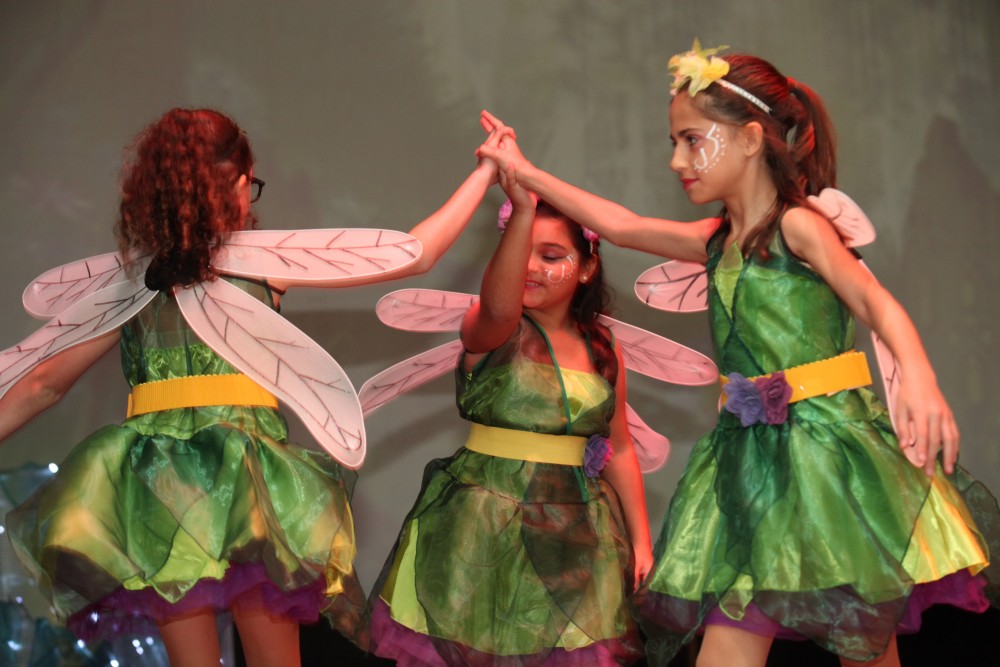
 

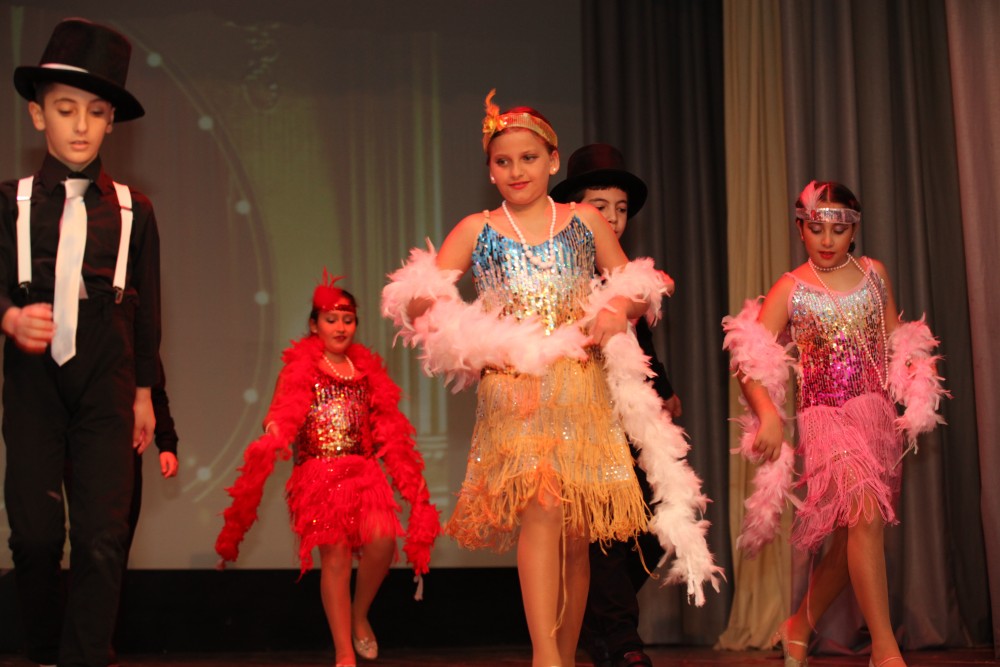
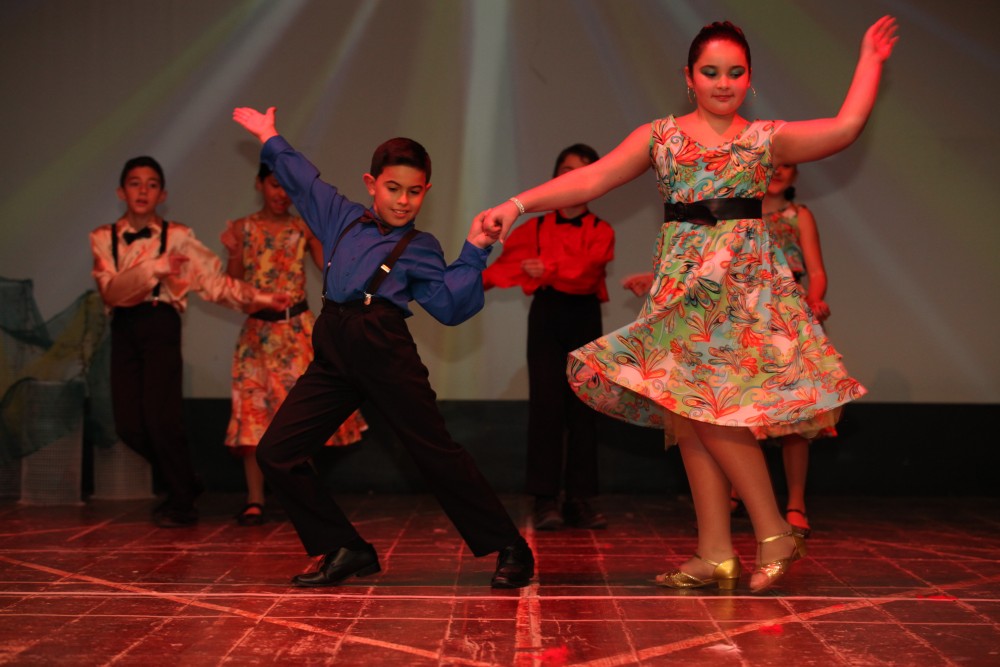
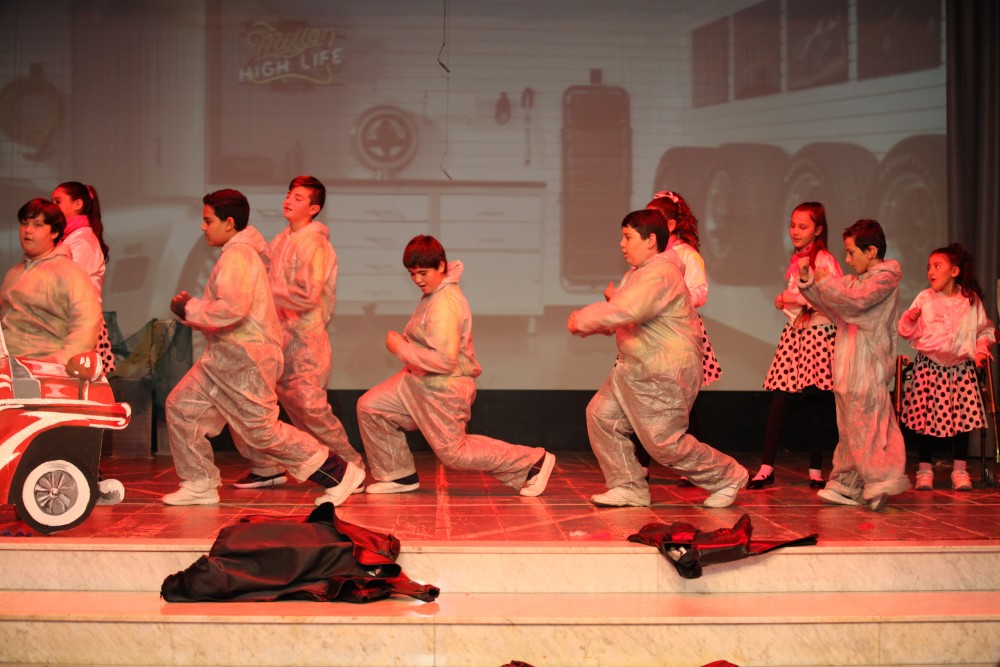
THAT DAY! THAT DANCE! – Mosta Primary B – Celebration Day

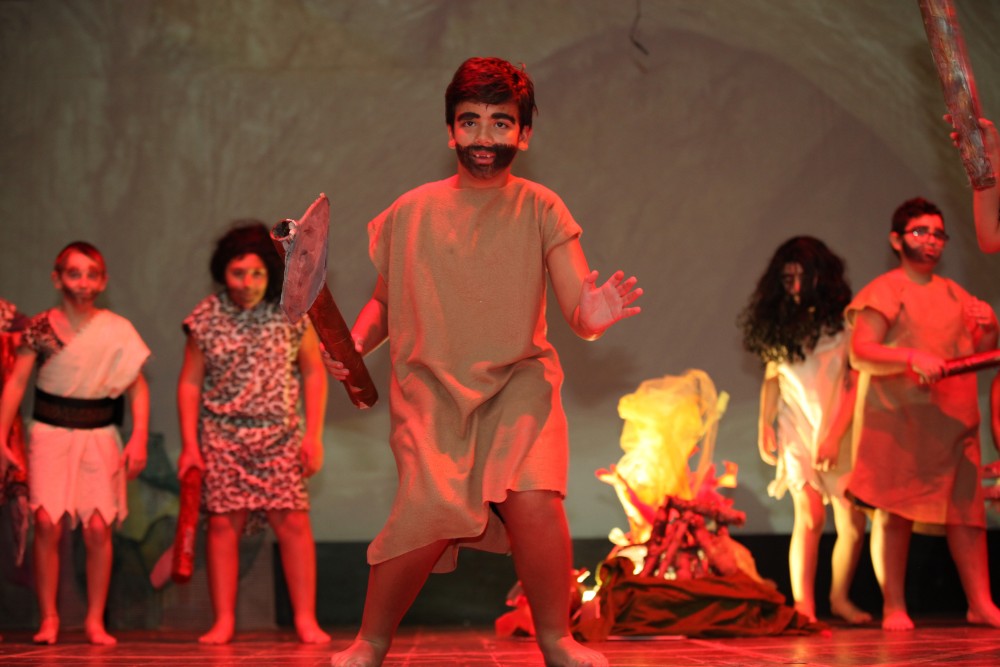
Earth and other elements of nature were put together as each has its own special purpose.  Prehistoric people and cultures around the world that followed were able to use all their senses sharply and got in tune with their surrounding – Mother Nature, as each listened, watched, felt and understood that above all this creation, there was something greater than himself.  He worshipped this higher influence as he believed that it was the source giving him the energy to live, survive and pass on to the afterlife.

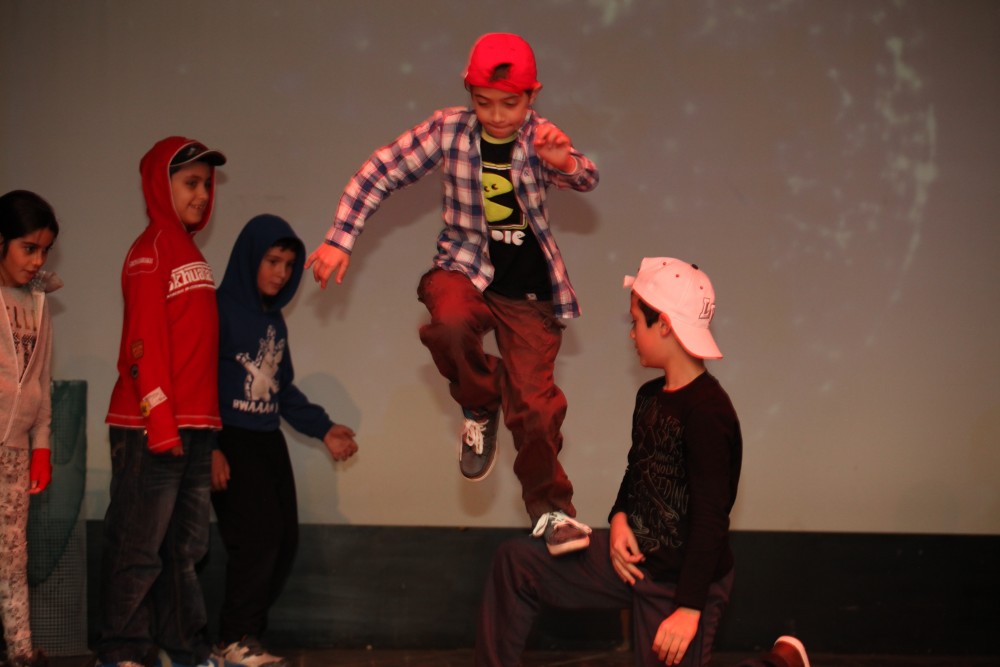
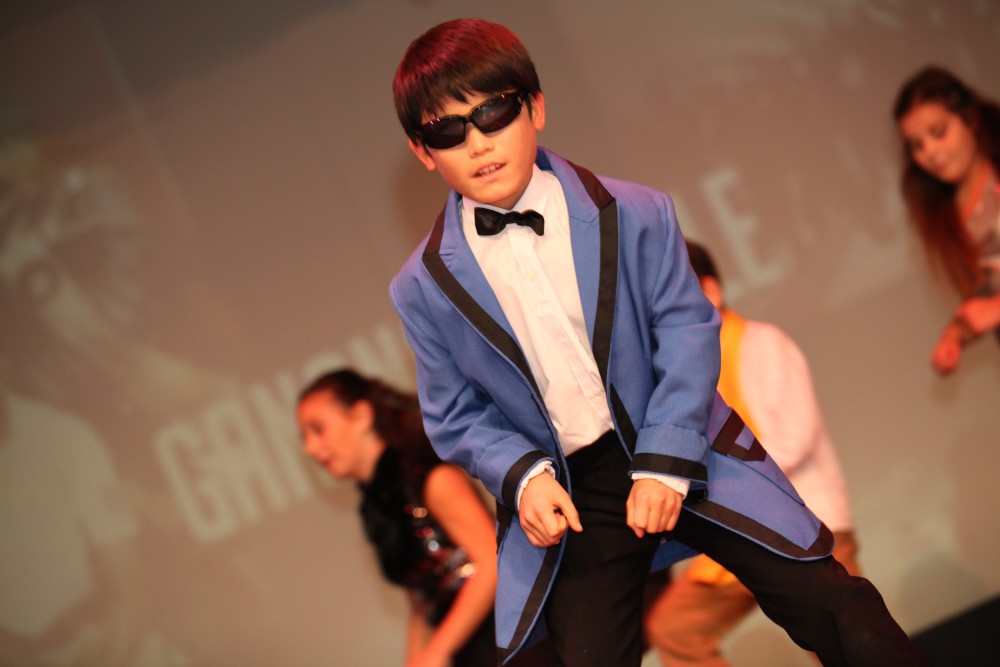
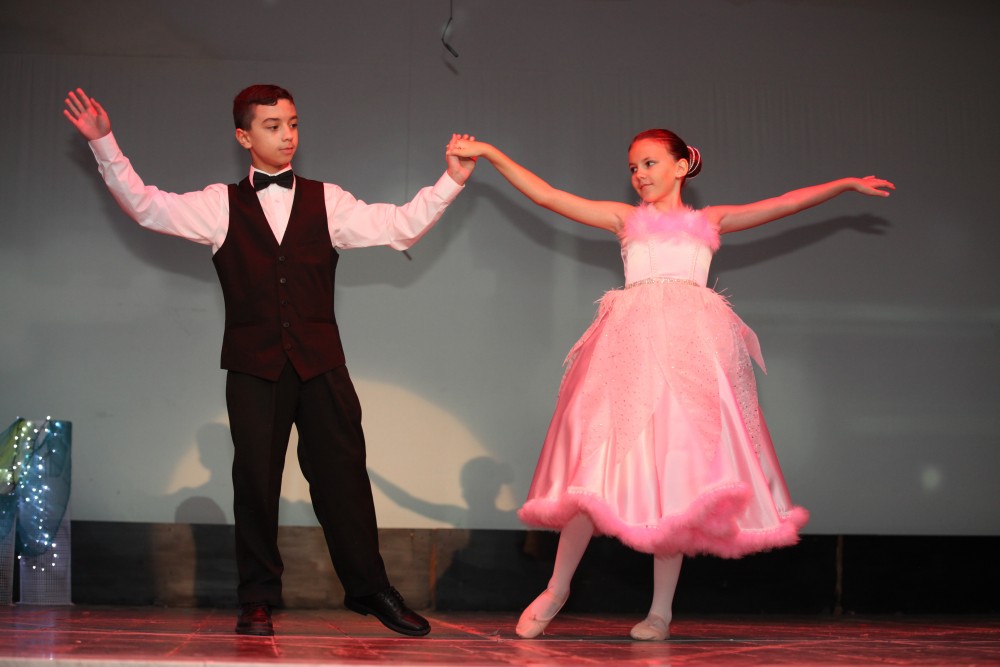
‘That Day! That Dance’ shows how the human being took note of all that happened within him and around him and transferred it into rhythmical beats.  While doing so he worshipped, prayed, thanked, expressed delight, moved and DANCED.

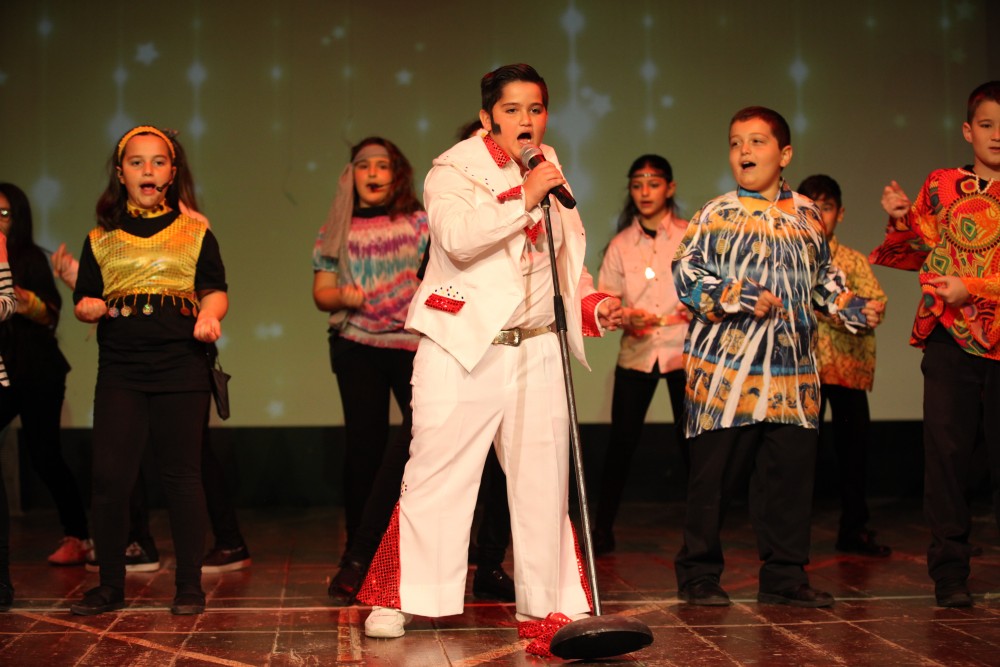
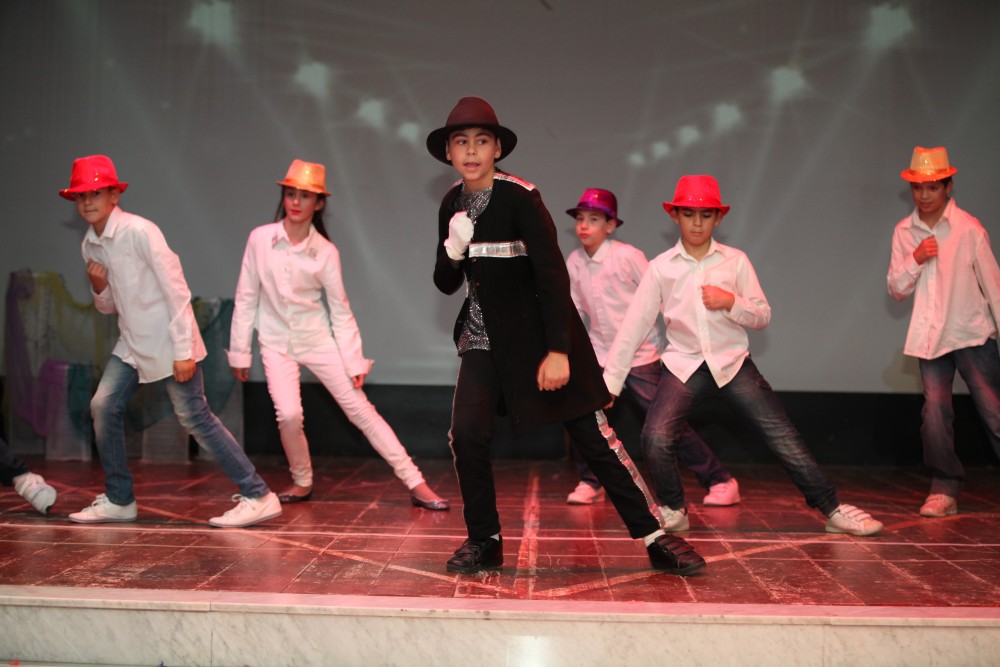
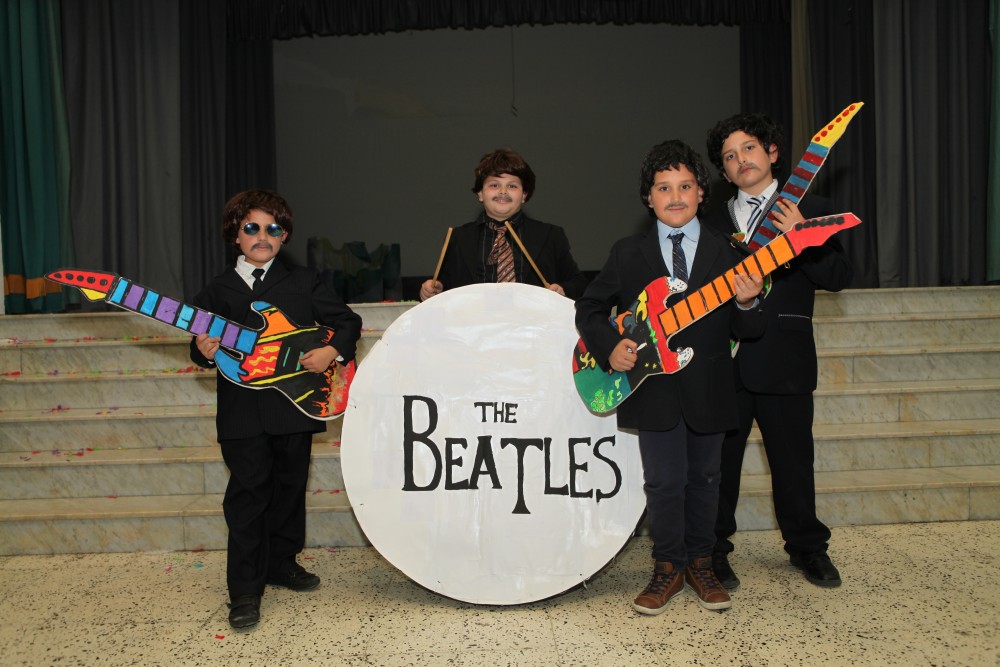
As years rolled by new rhythms were created and so new styles of dancing originated. Passing from the Firedance known as the dance of medieval people to the popular ballet, then the Charleston, followed by Swing Dancing that gave way to Rock N’ Roll, next came moves accompanying the great band of The Beatles, who were then put aside by the head banging of the Rockers, followed by the King of Pop Michael Jackson and his unique moves, that paved the way to Breakdancing and songs having their signature dance. Today we mix and match dances invented throughout the years and keep them alive in our everyday life.

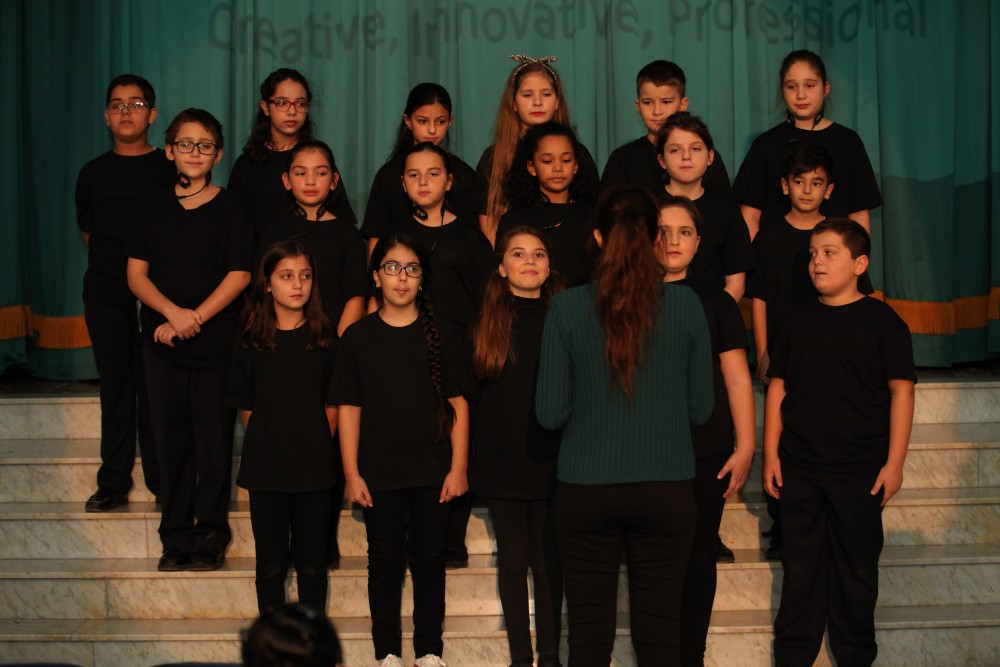
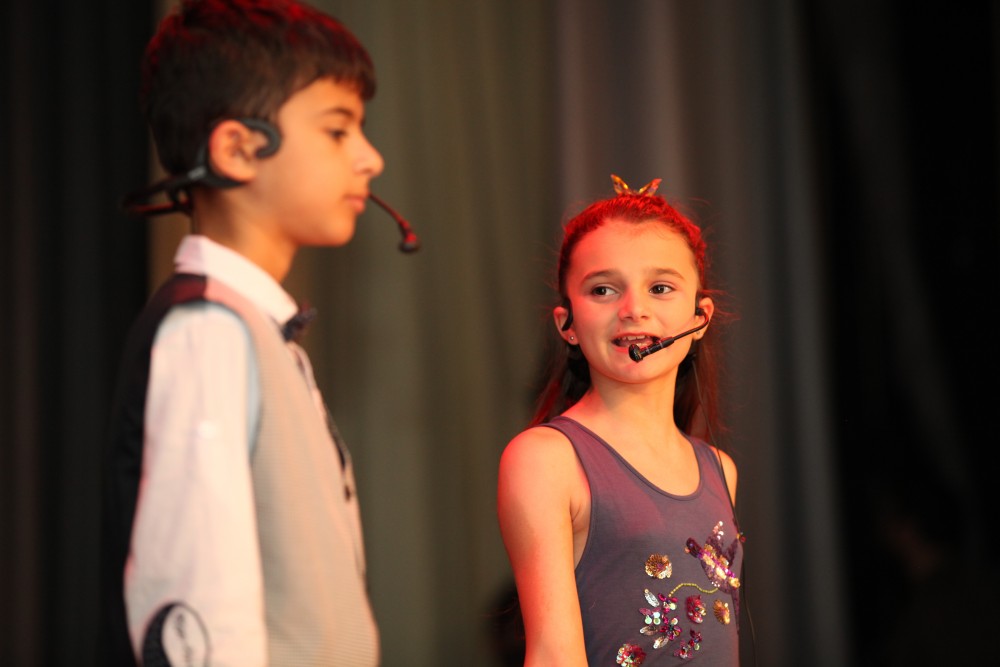
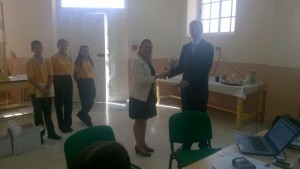
This was the theme of our Celebration Day 2016 play performed by all the Year 6 pupils, watched carefully and listened deeply by all parents on Friday 2nd December 2016 who took such moments, made them theirs and their own for the future.

MYJOURNEY

Dr Frank Fabri, Director General, was invited to intervene during the December Council of Heads at Maria Regina College, to give details and discuss about the recently launched reform in the Secondary sector. More details are available at myjourney.edu.mt

image3 image2 image1


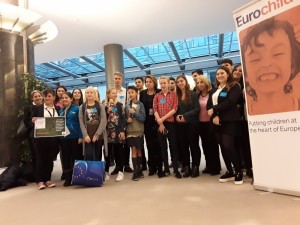
THE MOST BEAUTIFUL PAINTING-TOO RIGHT! – EUROCHILD – SHARON CILIA

That moment when you feel like you can’t utter one single word; when you feel like a whitish, greyish colour which feels like nothing and everything at the same time. That’s how I felt when the Eurochild Symposium on Child Participation ended. Why?

On the first day, I felt very shy and doubts flooded my mind. However, then I realised that I was no less and no more than any of the other 10 participants. As I listened to their brilliant opinions and ideas, my confidence started growing because I was convinced that they would be nice to me. What happened after that?

Well, I didn’t change or become some sort of genius or get super powers. I discovered the person that was always inside me but always stayed hidden in a corner. I was someone I never knew I was. The seed was always there, flooded- I just needed that ray of sunshine to help me grow.

So the days rolled on. I expressed my opinions and ideas, I thought deeply and I built new theories. I became more interested and motivated in giving children in Europe, and eventually everywhere, a voice. Having a voice and being able to participate when young is a right that may seem obvious but is not always respected and it’s very crucial.

Some may argue that they’re just kids, that they know nothing or don’t understand. However, children shouldn’t be heard; they should be listened to! They are our future and so they should be everyone’s priority. They do understand and they feel and know- even when not knowing the word itself- the difference between what’s just and what’s not. Their ideas must be listened to because their childhood affects their future self which affects the entire future world. If adults have the right to speak up when they’ve been through injustices, why can’t our children, the next generation, be given the opportunity to do so? I used the words ‘given the opportunity’ because it’s a child’s right to voice their opinion but it’s just not yet given much importance.

That’s why this experience was marvellous. We children, from different countries, ages and backgrounds had the golden chance of giving our views on our participation with civil society and with politicians.

Together, we developed a draft of a strategy of how to involve children in decisions taken by the European Parliament. It is yet to be altered to make it better but it will hopefully make big changes or improvement in the future. However, we worked on it together and that’s what’s important.

When this thing started, we were just blank pages. We were all trying to impress each other, all a bit scared about what would happen- would we make friends, would our ideas make sense and would we manage to make our countries proud? However, during these 5 days, we used our favourite colours, brushes and patterns to create the most beautiful painting in the world!

Sharon Cilia, 12 years

Malta

Representing the President’s Foundation for the Wellbeing of Society


fb_img_1479536369324 20161119_125146 20161119_001307 20161117_125409

Inizjattiva tal Kullegg Santa Klara promossa waqt COH tal-Kullegg Maria Regina

Waqt il-laqgha ta’ Ottubru a tal-kapijiet tal-iskejjel tal-Kullegg Maria Regina gie promoss il-ktieb Djamantini li gie ppublikat mill-iskola Sekondarja tal-Kullegg Santa Klara. Kienu prezenti wkoll hames studenti li ghamlu prezentazzjoni qasira filwaqt li s-Sa Micallef Cann, Kap tad-Dipartiment tal-Malti, pprezentat kopja tal-ktieb lis-sur Decelis, Principal tal-Kullegg Maria Regina.

img_5567 img_5566 img_5565 img_5564

Talk on Reality Therapy

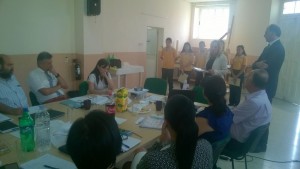
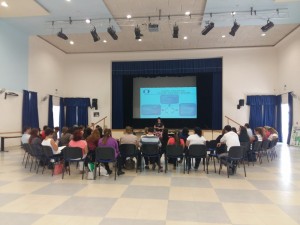
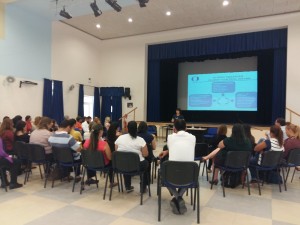
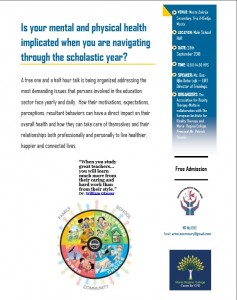
On the 28th and 29th of September, Ms Bosiljka Lojk the Director of training of the European Institute for Reality Therapy, held two talks at the Main Hall of Mosta Zokrija Secondary School one for teaching staff on how to find ways to keep healthy throughout scholastic year 2016/17 and the other for the colleges’ psychosocial teams on how to use Reality Therapy both in line with Choice Theory.  The talks were held under the auspices of the Association for Reality Therapy-Malta in collaboration the College Principal Mr P Decelis through the CPD department of Maria Regina College.  The following are some highlights from the talks. Over 60 persons attended both talks together.

What is Reality Therapy?

Reality Therapy is a psychotherapeutic approach based on the understanding that people are intrinsically motivated and that they control their own behavior. The therapist uses the process of self-evaluation to connect with clients through the difficulties that they present which enables them to look at their difficulties from another perspective and discover better ways to achieve personal satisfaction. The Reality therapist’s viewpoint on human beings and their difficulties is informed by Choice Theory.   During the talk a counselling session role play was carried out where Ms Lojk showed how to deliver Reality Therapy.

Definition of Choice Theory

Choice Theory is an understanding of human behaviour based on second order cybernetics. Dr. William Glasser (MD) the originator explains that the human organism is understood as a closed system. Every function of that system is purposeful and is motivated from within. The organism is equated with its behaviour which is an inseparable whole and consists of action, thinking, feeling and physiology. The purpose of human behaviour is establishing inner equilibrium and harmonising with the environment. This is possible because of the following features and abilities of the organism: Motives that drive the behaviour; abilities to monitor and compare information gathered from the environment with its internal motives; ability to harmonise by using the most prominent trait – its own creativity. These features of the system are described in detail for the purpose of psychotherapy using constructs of psychological needs, quality world and total behavior.

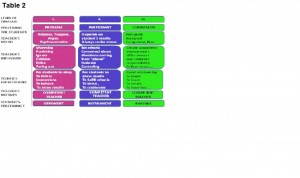
Choice Theory can be applied to one’s own life, to parenting, lead management, coaching, reality therapy and counselling and in quality schools. Below one can find the tables Ms Lojk used to explain to teachers how teachers and students perceive each other. Note that tables are produced with the permission of the author.  For more information we invite you to visit http://www.eirt.si/ and http://www.realitytherapy-europe.org, or contact the local association on email address artm.secretary@gmail.com for further information and info on courses.

 table-2 table-1 pic-1 20160929_125138

Water conservation efforts in Malta put under the spotlight in Brussels


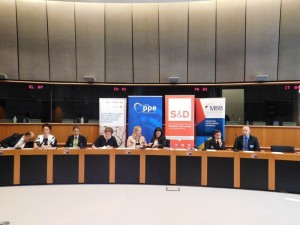
Two best practices from Malta were put under the spotlight during an event held at the European Parliament thanks to the Initiative of MEP Therese Comodini Cachia (EPP group) and MEP Miriam Dalli (S&D). The projects involved the Catch the Drop Campaign spearheaded by the HSBC Water programme and a Life+ project targeting businesses, hotels and SMEs directed by the Malta Business Bureau (MBB). The event was opened by MEP Ester De Lange, Chair of the MEP Water Group MEP Therese Comodini Cachia stated “The HSBC Water Programme, Catch the Drop Campaign as well as the MBB project on use of grey water in hotels are both projects which deserve European recognition. They are exceptional initiatives showing how private industry can work hand in hand with schools to provide valuable education and how the industry can not only make a positive environmental contribution but also generate skills for green and new jobs.” She thanked teachers and heads of schools for supporting student initiatives and for the dedication they show in their work. She lauded the initiative of MBB and the business sector in Malta for their efforts to tackle the issue of water usage and remarked that further investment was required in developing technology that facilitates water usage and conservation. “The EU and member states should invest and provide more opportunities for start-ups to develop technologies that facilitate water conservation and for the creation of greener industries and jobs.”

MEP Miriam Dalli emphasised that water scarcity has a major impact on other environmental attributes which can gravely effect our planet. “The abstraction of water for industrial use has declined over the past 15 years. But this is not enough. We need to invest more in projects that can reduce the use of water such as on-site recycling of wastewater, whilst promoting innovation such as advanced cooling technologies that require less water.” The solution however, stressed the MEP lies in a shift in attitude towards water conservation. “That is why project like HSBC’s Catch the Drop and the Malta Business Bureau’s Life+ investment is important as they promote innovation both at an industry level, but also at a cultural level in order to both assist and inspire new solution’s to tomorrows problems. Moreover, these projects have also prompted the Government to consider the introduction of grey water treatment systems as part of its plans for the water sector. Listening to the impressive ways both Maria Regina College Mosta and the Archbishop’s seminary managed to put together easy, accessible and innovative ways to conserve and preserve water was extremely interesting. These students have some really good solutions to today’s challenges, and we need to do our utmost to ensure that they are heard.”

MBB CEO Joe Tanti said that “Savings of around 1.4 billion Euros per annum are possible for the EU hospitality industry. The savings could be achieved through the EU-industry-wide adoption of flow rate regulation and grey water treatment”. “Take up of these solutions will bring environmental benefits, increase the competitiveness of the EU’s hospitality industry through reduced costs, and create a new green industry and new green jobs for the supply of equipment and services to the industry. This supply industry would also have strong EU-export potential” continued Mr Tanti.

Glenn Bugeja, Manager- Corporate Sustainability Department, HSBC Bank Malta p.l.c. said that Catch the Drop is the largest ever national environmental and educational campaign of its kind in Malta with an aim to forge a blueprint for progress on sustainability of water as a resource. “Over the past three years, the campaign has taken its message to nearly 50,000 students, dozens of corporates and NGOs, and a number of local councils using a range of outreach activities”. He remarked that the programme’s potential to be a model for other European countries has attracted the attention of policymakers at the European Parliament level.

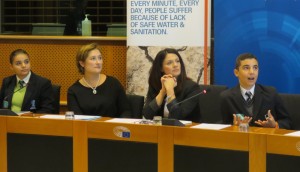
Samira Axiak (student) and Fiona Vella Ciangura (teacher) from Maria Regina College, Mosta Girls’ Secondary School stated that “Maria Regina College Girls’ Secondary School Mosta is very grateful for the opportunity the HSBC Water Programme – Catch the Drop campaign has given it by funding a Rainwater Infiltration Facility, which will help in partly replenishing the water table and reducing flooding. The School is also grateful for the opportunity to share this project at the European Parliament.”  Isaac Fenech (student) and Edward Tagliaferro (teacher) from the Archbishop’s Seminary Rabat, Malta stated “We would like to whole heartedly thank HSBC’s Catch the Drop campaign for giving us constant financial and logistical support during the last four years in projects and initiatives of sustainable development through the Ekoskola programme. The Bank’s support enriched the students’ experiences as their ideas could materialise, ultimately leading to sharing of good practice at a European level in Brussels in September 2016.” While in Brussels the delegation also held meetings with the European Commission, European Parliament Water Group, and officials from the Permanent Representation of Malta to the European Union.

ctd-pic-2 ctd-pic-1